Between Good Friday and Easter Sunday, Silent Saturday rests in the Christian calendar like a held breath. It was not until we went to an OCF retreat that we fully understood the importance of this day within Holy Week. This stark day is briefly captured in Luke 23:56.
It is a day often overlooked, overshadowed by the weight of the cross and the triumph of the empty tomb. Yet, this day carries a profound stillness, a sacred pause that invites deep reflection on the mystery of Christ’s absence and the hope that lingers in the quiet. For many churches, Silent Saturday pulses with outreach—food drives, Easter egg hunts, community service, and acts of love that echo the Savior’s compassion. But beneath the activity, this day whispers a call to ponder the silence of the tomb and what it means for our faith.
The Silence of the Tomb
On Silent Saturday, the disciples were scattered, their hearts heavy with grief and confusion. Jesus, their teacher and friend, lay dead in a borrowed tomb. The promises of the Kingdom seemed to have crumbled with His final breath. The Sabbath, a day of rest mandated by God, forced them to pause in their despair, to sit in the tension of unanswered questions. What did it mean that the Messiah was gone? Where was God in this deafening silence?
For us, Silent Saturday mirrors those moments in our lives when God feels distant and prayers seem to echo into a void. It is the space between loss and restoration, between doubt and faith. The disciples didn’t know Sunday was coming. They didn’t have the gift of hindsight we hold. Their Saturday was raw, honest, and shrouded in uncertainty. And yet, in that silence, God was at work, weaving redemption in ways they could not yet see.
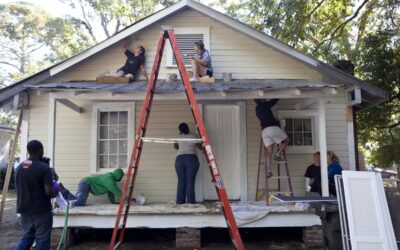
As churches pour love into their communities today—serving meals, clothing for the needy, or visiting the lonely—Silent Saturday reflects Christ’s unseen work. The outreach is not just an activity; it is worship, a way of trusting that God moves even when we cannot perceive Him. The food packed, the hands extended, the prayers whispered are acts of faith in the God who works in the quiet.
The Weight of Waiting
Silent Saturday teaches us the holiness of waiting. In a world that prizes speed and certainty, this day is a countercultural witness to the value of lingering in the unknown. The disciples waited, not because they chose to, but because the Sabbath demanded it. God built rest into the rhythm of His people’s lives in His wisdom, even in their darkest hour. That enforced stillness was not abandonment; it was preparation.
Waiting is not passive. It is an act of surrender, a posture of trust that God’s purposes unfold beyond our sight. Silent Saturday reminds us that the space between death and resurrection is not empty. It is pregnant with promise. The tomb was silent, but it was not stagnant. Christ’s body rested, but His victory was already secured. The stone would roll away, but not yet. The waiting was part of the story.
For churches engaged in outreach, Silent Saturday embodies this active waiting. The meals served and the kindness shown are not the end of the story, just as the tomb was not the end for Jesus. They are seeds planted in faith, trusting God to bring life from what seems barren. Every act of service is a declaration that the silence of Saturday will give way to the song of Sunday.
A Call to Reflect
As we move through Silent Saturday, let us carve out space for reverence. Amid the outreach, the planning, and the doing, let us pause to reflect on the tomb. What does it mean to trust God in silence? What does it mean to hope when the stone still seals the grave? These are not easy questions, but they are holy ones.
Consider the disciples, huddled in fear, wrestling with doubt. Consider Mary Magdalene, her heart broken yet faithful, who would soon meet her risen Lord. Consider Jesus Himself, resting in the tomb, His work of atonement complete yet hidden. Silent Saturday invites us to sit with these stories, to let them sink into our souls. It asks us to trust that God is present in the pauses and that His silence is not an absence but a prelude to glory.
For those serving today, let your outreach be a prayer. As you hand out groceries or share a smile, remember the God who works in the unseen. Your labor is not in vain. It is part of the resurrection story, a testament to the hope that Sunday is coming. And for those who find themselves in a personal Silent Saturday—waiting, grieving, or questioning—know that the silence is not the end. The tomb is not forever. God is near, even now, preparing a dawn you cannot yet imagine.
The Promise of Sunday
Silent Saturday is not the end of the story, but it is a vital chapter. It teaches us to wait, trust, and hope against hope. It reminds us that God’s most significant works often unfold in the quiet, beyond our sight. As churches pour out love into their communities, they embody this truth: the silence of the tomb gives way to the shout of resurrection.
So, let us honor Silent Saturday with reverence. Let us serve with open hearts, reflect with quiet trust, and wait with expectant hope. The stone will roll away, and the grave will be empty. But for now, in the sacred pause of this day, let us rest in the mystery of a God who redeems even the silence.
He is not here; He has risen, just as He said. But first, there was Saturday—a day to wait, serve, and trust. May we do so with faith, knowing the dawn is near.