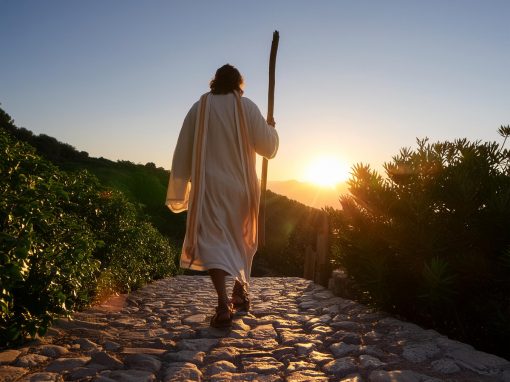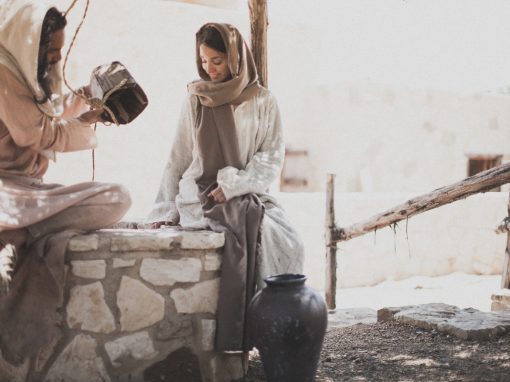
Jesus’ question to two disciples becomes a penetrating approach for every leader.
One of my goals this fall is to examine how Jesus, being all-knowing, responds throughout Scripture when He asks a deep, soul-cutting question to get to the heart of the issue and the reasoning behind it. Why do Jesus’ questions matter for leaders who are tempted to answer too quickly? He would know the answer, but in perfect wisdom, He would speak in a parable or respond with a question.
Let’s first survey John 1:35-39 in this journey.
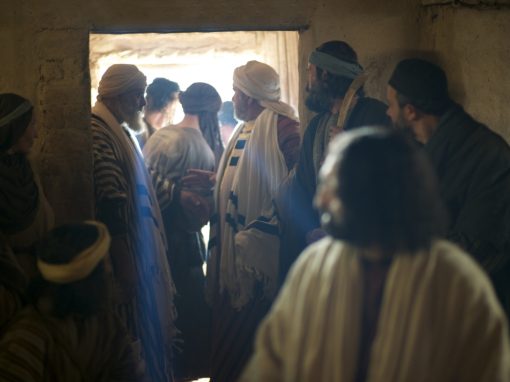
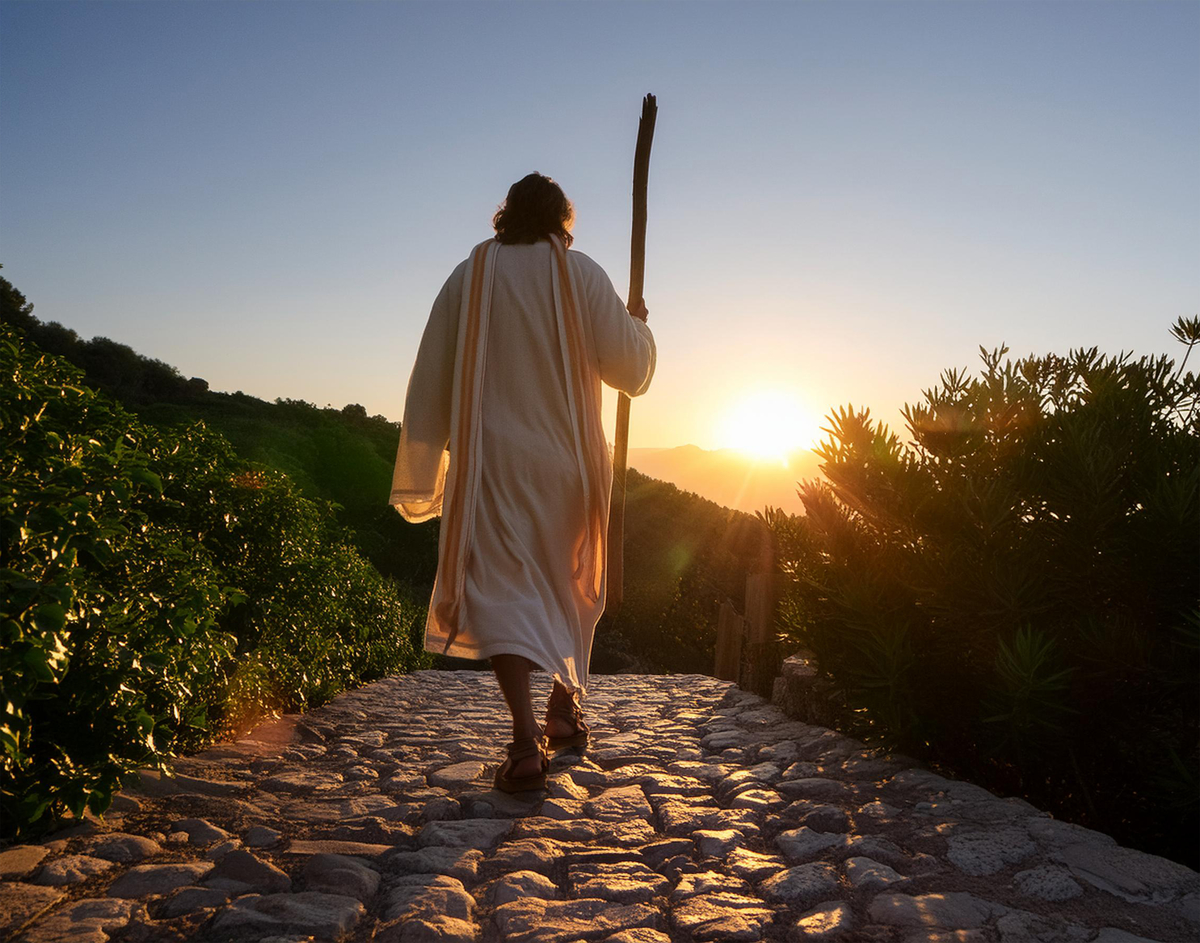
The next day again John was standing with two of his disciples, and he looked at Jesus as he walked by and said, “Behold, the Lamb of God!” The two disciples heard him say this, and they followed Jesus. Jesus turned and saw them following and said to them, “What are you seeking?” And they said to him, “Rabbi” (which means Teacher), “where are you staying?” He said to them, “Come and you will see.” So they came and saw where he was staying, and they stayed with him that day, for it was about the tenth hour.
John 1:35-39 (ESV)
To ensure we have the same understanding, a disciple is a student of the master or teacher. We see John the Baptist with two of John’s disciples, and he proclaims, “Behold…” In the Greek, behold here is a command or imperative. John was redirecting his disciples’ attention from himself to Jesus. So John here is redirecting his students to THE master.
“To recommend disciples to a greater teacher was rare, required great humility and denoted confidence in the other teacher’s superiority.”
IVP Bible Background Commentary
Before We Respond or Give an Answer
John’s bold declarative statement would cause most to have their pride respond in agreement or flattery. But what did Jesus do? He asked a very meek yet poignant question, “What are you seeking?” The richness of this question. The eternal consequences of the question and subsequent answer.
William Arndt describes “seeking,” or zeteo (ζητέω), as devoting serious effort to realizing one’s desire or objective. This is so much more than a simple search. They were searching for something with major consequences. Eternal consequences. This is a soul-searching question. Jesus recognized they were actively seeking even in that brief interaction. We see the intention and seriousness He was responding to.
Within our leadership, do we slow down to ask a question this deep to help someone? Ask questions with deliberate intentionality? Or do we just give them a quick quip or shoo them away in our busyness? I know sometimes I’m too busy with my own stuff to ask this penetrating question.
Why Respond with a Question? And this Question?
We must stop and think. Why did Jesus ask a question when there were so many other options? The other thing to note is that this seeking is in the present and active tense within the Greek. So, we see the intention and seriousness that Jesus is responding to in these two disciples. Jesus didn’t ask because he needed the answer or to understand their felt need. He asked because the question itself surfaces their desire and where their hearts are. Since we are not all-knowing, are we pausing to dig deeper to understand the felt need or the root issue?
But notice the disciples’ reply? They do not answer his question directly but offer a subtle redirection, “Where are you staying?” They were not seeking an answer, but they were seeking Him. The Messiah. If we look at the Greek here, “staying” is the verb ménō (μένω). Ménō is also used in John 15 and is translated as abide. Ménō represents the fundamental aspect of the definition of discipleship. There is a very deep connection between the question and the response in this exchange. Then Jesus responds with “come and see.”
Come, and You Will See
There are two commands in this passage. Behold and come. So come, and you will see. This invitation starts with an imperative or command. It is then followed by “you will see” as the promise. Notice the order. The invitation comes first, then the understanding. Not understand first, then come. This shapes the gospel and discipleship, rolled up within one exchange.
Jesus also met these two disciples exactly where they were. Not throwing a bunch of programs and classes at them, where they were. He started where they were, and on the path they were on.
And that leaves us with two questions. The first is about our leadership. What are we really seeking through our leadership influence? Is it the good for the people we lead, or is it results, recognition, and control? Building a kingdom of our own? Or joining Jesus where He is going and His kingdom?
The second concerns our souls. Are we seeking Christ himself and abiding in Him? The disciples did not come seeking an answer. They came actively seeking Him and joined Him where He was going.
Jesus knew what they were after before He asked. We might not know until we ask. Before you reach for an answer, pause to ask what the person you are interacting with is really seeking, their felt need, and what you are seeking, too. Ask one question that surfaces desire rather than one that steers them to your conclusion. This approach might surprise you as much as it did me. A leading question serves you. A question that leads to deep understanding serves them.
What are you and your leadership seeking?